Let passion lead you to success…Is experience really everything?
Reflecting on job market demands, the Scaloni effect, and why talent and adaptability matter more in design than years on a resume.
CULTURE & NEW MEDIA

The Dilemma of Experience vs. Talent
Lately, I’ve found myself applying to several job offers that require junior candidates with more than two years of experience, which has led me to question: Is it really everything? And then, I remember that I am Argentinian, a world champion for now.
It’s curious to think about this when I consider the case of an inexperienced coach. After Argentina was eliminated from the World Cup in Russia, the Argentine Football Association (AFA) temporarily appointed a substitute coach while searching for a more experienced manager. Even Diego Maradona commented, “Scaloni is a great guy, but he can’t even direct traffic.” However, the truth is that two years earlier, Scaloni was coaching neighborhood kids.

The Parallel Between Football and Design
Talent is not subjective; it simply exists. And it was his hard work that ultimately brought us the latest World Cup. So, what’s the relevance of this in the field of design? In design, just like in football, we work in teams. When vision and teamwork align, it shows in the results.

The Weight of Trajectory
Diego Cocca, who coached the Mexican national team in the World Cup, had a solid coaching background in football. Before taking on this role, he had managed various club teams in Argentina and Colombia, including Racing Club, Defensa y Justicia, Atlético Nacional, and Millonarios.
Czesław Michniewicz, the coach of the Polish national team in the 2022 World Cup, also had a notable prior trajectory. Although he lacked extensive international experience, his specific focus and previous achievements prepared him for this significant role. Before leading Poland in the World Cup, Michniewicz worked with the U21 national team and successfully took Legia Warsaw to the Europa League group stage. He also managed several club teams in Poland, including Lech Poznań and Zagłębie Lubin.
Graham Arnold, a former Australian footballer, has had an outstanding coaching career. Starting in 1989, he has managed teams such as Sydney United 58 FC, Central Coast Mariners FC, and Vegalta Sendai in Japan. Additionally, he has been involved with the Australian national team in various roles since 2000, demonstrating his broad experience and knowledge in football.
Louis Van Gaal, the coach of the Netherlands national team in the 2022 Qatar World Cup, has a rich history in international football. Although his World Cup experiences have had ups and downs, his contribution to the Dutch team remains notable.
Zlatko Dalić, a prominent Croatian football coach, transitioned into coaching and has achieved success both at the club level and with the Croatian national team. He led the team to a runner-up finish in the 2018 World Cup and a third-place finish in the 2022 World Cup, making him one of the most successful coaches in Croatian football history.
Didier Claude Deschamps, a former French player, has had an impressive coaching career. Since starting his coaching career in 2001, he has led several renowned teams and achieved significant milestones, including France’s victory in the 2018 World Cup.


Adaptability, Environment, and Final Reflection
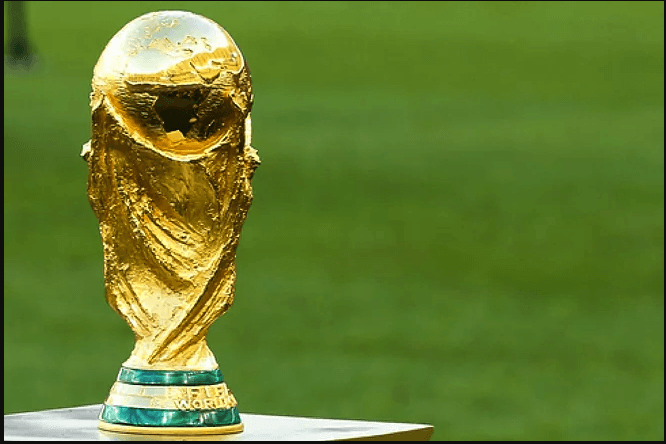
What they all have in common is that they lost to Argentina, with an inexperienced coach. Despite over 140 years of incredible experiences and achievements, the World Cup resides in South America, prompting us to reflect on the importance of talent and adaptability.
PS: The Messi of Paris Saint-Germain (PSG) was in time and space the same as in Argentina. This leaves us with a great lesson: Sometimes, people may not recognize or appreciate your talent, but that doesn’t mean it doesn’t exist.
More to Discover


Let passion lead you to success…Is experience really everything?
Reflecting on job market demands, the Scaloni effect, and why talent and adaptability matter more in design than years on a resume.
CULTURE & NEW MEDIA
The Dilemma of Experience vs. Talent
Lately, I’ve found myself applying to several job offers that require junior candidates with more than two years of experience, which has led me to question: Is it really everything? And then, I remember that I am Argentinian, a world champion for now.
It’s curious to think about this when I consider the case of an inexperienced coach. After Argentina was eliminated from the World Cup in Russia, the Argentine Football Association (AFA) temporarily appointed a substitute coach while searching for a more experienced manager. Even Diego Maradona commented, “Scaloni is a great guy, but he can’t even direct traffic.” However, the truth is that two years earlier, Scaloni was coaching neighborhood kids.
The Parallel Between Football and Design
Talent is not subjective; it simply exists. And it was his hard work that ultimately brought us the latest World Cup. So, what’s the relevance of this in the field of design? In design, just like in football, we work in teams. When vision and teamwork align, it shows in the results.
The Weight of Trajectory
Diego Cocca, who coached the Mexican national team in the World Cup, had a solid coaching background in football. Before taking on this role, he had managed various club teams in Argentina and Colombia, including Racing Club, Defensa y Justicia, Atlético Nacional, and Millonarios.
Czesław Michniewicz, the coach of the Polish national team in the 2022 World Cup, also had a notable prior trajectory. Although he lacked extensive international experience, his specific focus and previous achievements prepared him for this significant role. Before leading Poland in the World Cup, Michniewicz worked with the U21 national team and successfully took Legia Warsaw to the Europa League group stage. He also managed several club teams in Poland, including Lech Poznań and Zagłębie Lubin.
Graham Arnold, a former Australian footballer, has had an outstanding coaching career. Starting in 1989, he has managed teams such as Sydney United 58 FC, Central Coast Mariners FC, and Vegalta Sendai in Japan. Additionally, he has been involved with the Australian national team in various roles since 2000, demonstrating his broad experience and knowledge in football.
Louis Van Gaal, the coach of the Netherlands national team in the 2022 Qatar World Cup, has a rich history in international football. Although his World Cup experiences have had ups and downs, his contribution to the Dutch team remains notable.
Zlatko Dalić, a prominent Croatian football coach, transitioned into coaching and has achieved success both at the club level and with the Croatian national team. He led the team to a runner-up finish in the 2018 World Cup and a third-place finish in the 2022 World Cup, making him one of the most successful coaches in Croatian football history.
Didier Claude Deschamps, a former French player, has had an impressive coaching career. Since starting his coaching career in 2001, he has led several renowned teams and achieved significant milestones, including France’s victory in the 2018 World Cup.
Adaptability, Environment, and Final Reflection
What they all have in common is that they lost to Argentina, with an inexperienced coach. Despite over 140 years of incredible experiences and achievements, the World Cup resides in South America, prompting us to reflect on the importance of talent and adaptability.
PS: The Messi of Paris Saint-Germain (PSG) was in time and space the same as in Argentina. This leaves us with a great lesson: Sometimes, people may not recognize or appreciate your talent, but that doesn’t mean it doesn’t exist.
More to Discover
Let passion lead you to success…Is experience really everything?
Reflecting on job market demands, the Scaloni effect, and why talent and adaptability matter more in design than years on a resume.
CULTURE & NEW MEDIA
The Dilemma of Experience vs. Talent
Lately, I’ve found myself applying to several job offers that require junior candidates with more than two years of experience, which has led me to question: Is it really everything? And then, I remember that I am Argentinian, a world champion for now.
It’s curious to think about this when I consider the case of an inexperienced coach. After Argentina was eliminated from the World Cup in Russia, the Argentine Football Association (AFA) temporarily appointed a substitute coach while searching for a more experienced manager. Even Diego Maradona commented, “Scaloni is a great guy, but he can’t even direct traffic.” However, the truth is that two years earlier, Scaloni was coaching neighborhood kids.
The Parallel Between Football and Design
Talent is not subjective; it simply exists. And it was his hard work that ultimately brought us the latest World Cup. So, what’s the relevance of this in the field of design? In design, just like in football, we work in teams. When vision and teamwork align, it shows in the results.
The Weight of Trajectory
Diego Cocca, who coached the Mexican national team in the World Cup, had a solid coaching background in football. Before taking on this role, he had managed various club teams in Argentina and Colombia, including Racing Club, Defensa y Justicia, Atlético Nacional, and Millonarios.
Czesław Michniewicz, the coach of the Polish national team in the 2022 World Cup, also had a notable prior trajectory. Although he lacked extensive international experience, his specific focus and previous achievements prepared him for this significant role. Before leading Poland in the World Cup, Michniewicz worked with the U21 national team and successfully took Legia Warsaw to the Europa League group stage. He also managed several club teams in Poland, including Lech Poznań and Zagłębie Lubin.
Graham Arnold, a former Australian footballer, has had an outstanding coaching career. Starting in 1989, he has managed teams such as Sydney United 58 FC, Central Coast Mariners FC, and Vegalta Sendai in Japan. Additionally, he has been involved with the Australian national team in various roles since 2000, demonstrating his broad experience and knowledge in football.
Louis Van Gaal, the coach of the Netherlands national team in the 2022 Qatar World Cup, has a rich history in international football. Although his World Cup experiences have had ups and downs, his contribution to the Dutch team remains notable.
Zlatko Dalić, a prominent Croatian football coach, transitioned into coaching and has achieved success both at the club level and with the Croatian national team. He led the team to a runner-up finish in the 2018 World Cup and a third-place finish in the 2022 World Cup, making him one of the most successful coaches in Croatian football history.
Didier Claude Deschamps, a former French player, has had an impressive coaching career. Since starting his coaching career in 2001, he has led several renowned teams and achieved significant milestones, including France’s victory in the 2018 World Cup.
Adaptability, Environment, and Final Reflection
What they all have in common is that they lost to Argentina, with an inexperienced coach. Despite over 140 years of incredible experiences and achievements, the World Cup resides in South America, prompting us to reflect on the importance of talent and adaptability.
PS: The Messi of Paris Saint-Germain (PSG) was in time and space the same as in Argentina. This leaves us with a great lesson: Sometimes, people may not recognize or appreciate your talent, but that doesn’t mean it doesn’t exist.