Token no fungibles (NFTs ) Updated with current context
NFTs promised to revolutionize digital artuntil the bubble burst and exposed the difference between artistic value and financial hype.
DESIGN THEORY

BIRTH — From reproducible digital images to unique digital objects
At its core, color psychology is the study of how different hues affect human emotions, perceptions, and behaviors. Colors can evoke a wide range of feelings, from excitement and urgency to tranquility and trust. This emotional response is not only instinctive but also shaped by cultural context and personal experience. For example, red is often associated with energy and passion, while blue is linked to trust and reliability.
Mike Winkelmann, known as Beeple, is an American digital artist whose work became closely associated with the NFT boom. He works across short films, VJ loops, and AR/VR art, but his most famous creation is EVERYDAYS: THE FIRST 5000 DAYS, one of the most significant NFT artworks in digital art history.

BOOM — Digital art becomes economically valuable
Between 2020 and 2021, NFTs moved from a technological experiment into a major cultural and financial phenomenon. Artists could sell digital works as unique assets, while collectors and investors could buy, resell and display them. Your work identifies authenticity, exclusivity, ownership and the creation of a digital economy as central to this new model.
The turning point was Beeple’s Everydays: The First 5000 Days. In March 2021, Christie’s sold it for $69.3 million, making it the first purely digital NFT-based artwork offered by a major auction house and a landmark moment in the history of digital art.
This moment seemed to suggest that NFTs had finally solved a historical problem of digital art: how can something infinitely reproducible acquire scarcity and market value?
HUMAN ONE is a physical sculpture by Beeple that combines traditional materials with digital technology. It features an aluminum structure, four 16K-resolution screens, and a mahogany wood frame, creating a hybrid between physical sculpture and digital artwork.

Main objectives of NFTs
NFTs aim to establish digital authenticity and ownership, allowing unique digital assets to be verified and owned through blockchain technology. They also create a way to assign value to digital content, such as art, music, videos, and collectibles, based on uniqueness and exclusivity.
At the same time, NFTs contribute to a digital economy where creators can monetize their work and collectors or investors can buy, sell, and collect digital assets.
Their main purposes are therefore:
Authenticity and uniqueness : verifying that a digital asset is unique and identifiable.
Digital ownership : enabling users to own, display, and trade digital assets.
Digital markets:creating decentralized spaces for collecting and exchanging digital assets.
The NFT narrative is built around three main ideas: exclusivity, authenticity, and collecting. The user can become a collector, investor, creator, or participant in a digital community. NFTs therefore represent a shift in how digital content is perceived, owned, valued, and commercialized.
The main audiences include collectors and investors, artists and creators, technology enthusiasts, and companies or brands interested in using NFTs for digital products, marketing, exclusivity, or customer engagement.
NFTs transformed digital art by turning uniqueness, ownership, and scarcity into measurable forms of digital value.
Then, later, you can contrast this with what happened after the NFT market collapsed: if scarcity created value, what happens when the market no longer believes that value is worth paying for? That gives your presentation a much stronger critical ending.
NFTacoBell Introducing Taco Bell’s NFT Taco Art - iconic and original artwork inspired by our tacos at the easily digestible price of our menu items. Now fans can own their favorite tacos and hold them in their hearts and digital wallets. All profits will be donated to the Taco Bell Foundation.
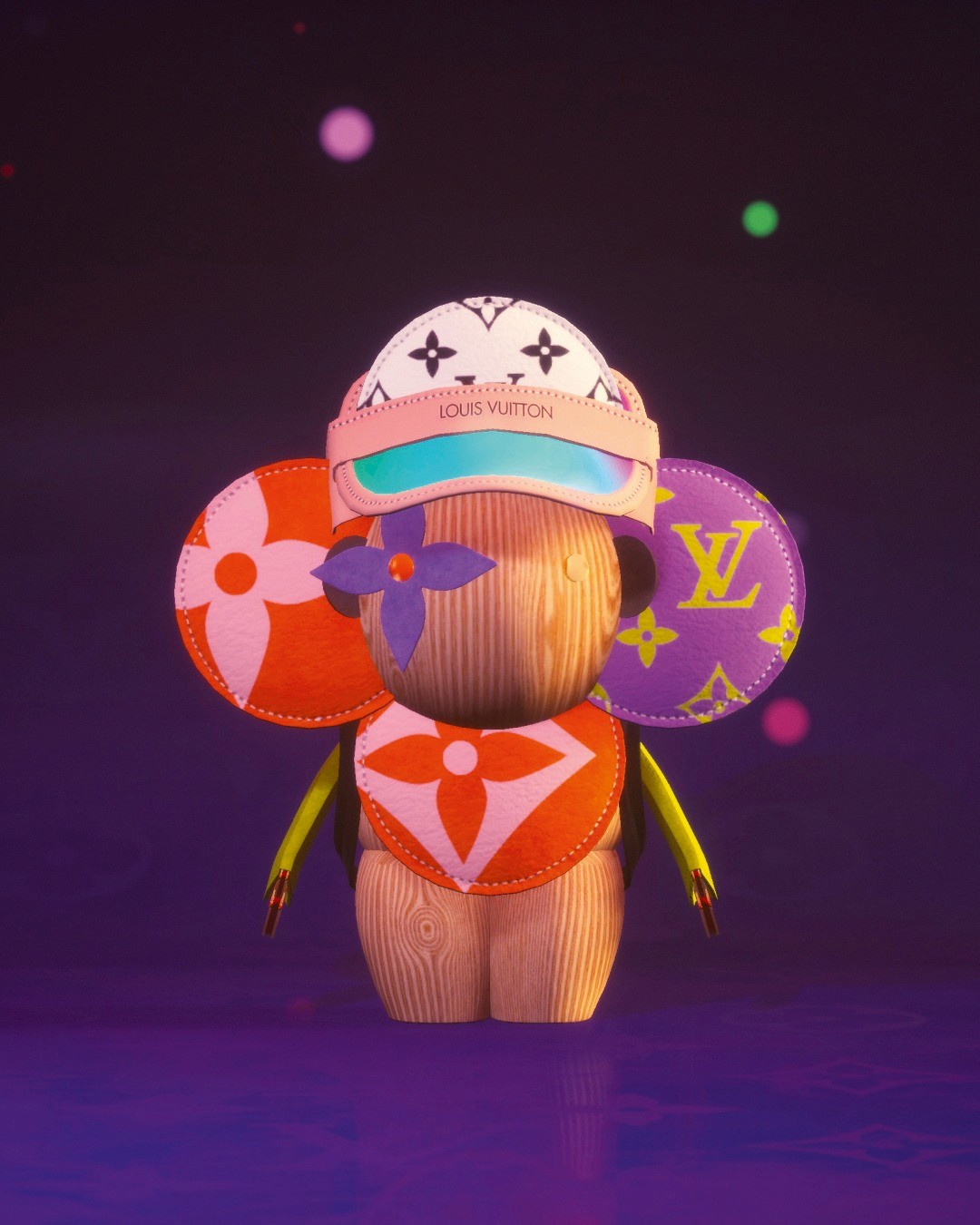
Louis Vuitton created Louis The Game, an NFT-based game inspired by the life of its founder. Players control Vivienne as she explores cities connected to the brand and collects “200 Anecdote” candles, celebrating Louis Vuitton’s 200th birthday.
Show less

COLLAPSE — When financial value disappeared
This is the part I would emphasize most strongly in your presentation.
The NFT boom was not simply a story of technological progress. It was also a speculative market. In 2022, the bubble collapsed. WIRED reported that NFT trading volume fell from approximately $17 billion in January 2022 to $400 million in November, a 97% decline.
Christie’s provides another striking comparison: its NFT sales went from roughly $150 million in 2021 to $5.9 million in 2022, a decline of about 96%.
This changes the historical interpretation. The technology did not necessarily disappear, but the financial narrative surrounding it collapsed. The extraordinary prices of 2021 could no longer be treated as straightforward evidence of artistic value.
And this is where your own critical position becomes important. Your work questions a design culture centred on consumption and symbolic value, asking whether these systems actually create genuine belonging and whether they are accessible to different users.
This does not mean that digital art itself lost its value. What lost value was a particular economic model and speculative expectation surrounding NFTs. Digital art existed long before NFTs and continues independently of them.

More to Discover


Token no fungibles (NFTs ) Updated with current context
NFTs promised to revolutionize digital artuntil the bubble burst and exposed the difference between artistic value and financial hype.
DESIGN THEORY
BIRTH — From reproducible digital images to unique digital objects
At its core, color psychology is the study of how different hues affect human emotions, perceptions, and behaviors. Colors can evoke a wide range of feelings, from excitement and urgency to tranquility and trust. This emotional response is not only instinctive but also shaped by cultural context and personal experience. For example, red is often associated with energy and passion, while blue is linked to trust and reliability.
Mike Winkelmann, known as Beeple, is an American digital artist whose work became closely associated with the NFT boom. He works across short films, VJ loops, and AR/VR art, but his most famous creation is EVERYDAYS: THE FIRST 5000 DAYS, one of the most significant NFT artworks in digital art history.
BOOM — Digital art becomes economically valuable
Between 2020 and 2021, NFTs moved from a technological experiment into a major cultural and financial phenomenon. Artists could sell digital works as unique assets, while collectors and investors could buy, resell and display them. Your work identifies authenticity, exclusivity, ownership and the creation of a digital economy as central to this new model.
The turning point was Beeple’s Everydays: The First 5000 Days. In March 2021, Christie’s sold it for $69.3 million, making it the first purely digital NFT-based artwork offered by a major auction house and a landmark moment in the history of digital art.
This moment seemed to suggest that NFTs had finally solved a historical problem of digital art: how can something infinitely reproducible acquire scarcity and market value?
HUMAN ONE is a physical sculpture by Beeple that combines traditional materials with digital technology. It features an aluminum structure, four 16K-resolution screens, and a mahogany wood frame, creating a hybrid between physical sculpture and digital artwork.
Main objectives of NFTs
NFTs aim to establish digital authenticity and ownership, allowing unique digital assets to be verified and owned through blockchain technology. They also create a way to assign value to digital content, such as art, music, videos, and collectibles, based on uniqueness and exclusivity.
At the same time, NFTs contribute to a digital economy where creators can monetize their work and collectors or investors can buy, sell, and collect digital assets.
Their main purposes are therefore:
Authenticity and uniqueness : verifying that a digital asset is unique and identifiable.
Digital ownership : enabling users to own, display, and trade digital assets.
Digital markets:creating decentralized spaces for collecting and exchanging digital assets.
The NFT narrative is built around three main ideas: exclusivity, authenticity, and collecting. The user can become a collector, investor, creator, or participant in a digital community. NFTs therefore represent a shift in how digital content is perceived, owned, valued, and commercialized.
The main audiences include collectors and investors, artists and creators, technology enthusiasts, and companies or brands interested in using NFTs for digital products, marketing, exclusivity, or customer engagement.
NFTs transformed digital art by turning uniqueness, ownership, and scarcity into measurable forms of digital value.
Then, later, you can contrast this with what happened after the NFT market collapsed: if scarcity created value, what happens when the market no longer believes that value is worth paying for? That gives your presentation a much stronger critical ending.
NFTacoBell Introducing Taco Bell’s NFT Taco Art - iconic and original artwork inspired by our tacos at the easily digestible price of our menu items. Now fans can own their favorite tacos and hold them in their hearts and digital wallets. All profits will be donated to the Taco Bell Foundation.
Louis Vuitton created Louis The Game, an NFT-based game inspired by the life of its founder. Players control Vivienne as she explores cities connected to the brand and collects “200 Anecdote” candles, celebrating Louis Vuitton’s 200th birthday.
Show less
COLLAPSE — When financial value disappeared
This is the part I would emphasize most strongly in your presentation.
The NFT boom was not simply a story of technological progress. It was also a speculative market. In 2022, the bubble collapsed. WIRED reported that NFT trading volume fell from approximately $17 billion in January 2022 to $400 million in November, a 97% decline.
Christie’s provides another striking comparison: its NFT sales went from roughly $150 million in 2021 to $5.9 million in 2022, a decline of about 96%.
This changes the historical interpretation. The technology did not necessarily disappear, but the financial narrative surrounding it collapsed. The extraordinary prices of 2021 could no longer be treated as straightforward evidence of artistic value.
And this is where your own critical position becomes important. Your work questions a design culture centred on consumption and symbolic value, asking whether these systems actually create genuine belonging and whether they are accessible to different users.
This does not mean that digital art itself lost its value. What lost value was a particular economic model and speculative expectation surrounding NFTs. Digital art existed long before NFTs and continues independently of them.
More to Discover
Token no fungibles (NFTs ) Updated with current context
NFTs promised to revolutionize digital artuntil the bubble burst and exposed the difference between artistic value and financial hype.
DESIGN THEORY
BIRTH — From reproducible digital images to unique digital objects
At its core, color psychology is the study of how different hues affect human emotions, perceptions, and behaviors. Colors can evoke a wide range of feelings, from excitement and urgency to tranquility and trust. This emotional response is not only instinctive but also shaped by cultural context and personal experience. For example, red is often associated with energy and passion, while blue is linked to trust and reliability.
Mike Winkelmann, known as Beeple, is an American digital artist whose work became closely associated with the NFT boom. He works across short films, VJ loops, and AR/VR art, but his most famous creation is EVERYDAYS: THE FIRST 5000 DAYS, one of the most significant NFT artworks in digital art history.
BOOM — Digital art becomes economically valuable
Between 2020 and 2021, NFTs moved from a technological experiment into a major cultural and financial phenomenon. Artists could sell digital works as unique assets, while collectors and investors could buy, resell and display them. Your work identifies authenticity, exclusivity, ownership and the creation of a digital economy as central to this new model.
The turning point was Beeple’s Everydays: The First 5000 Days. In March 2021, Christie’s sold it for $69.3 million, making it the first purely digital NFT-based artwork offered by a major auction house and a landmark moment in the history of digital art.
This moment seemed to suggest that NFTs had finally solved a historical problem of digital art: how can something infinitely reproducible acquire scarcity and market value?
HUMAN ONE is a physical sculpture by Beeple that combines traditional materials with digital technology. It features an aluminum structure, four 16K-resolution screens, and a mahogany wood frame, creating a hybrid between physical sculpture and digital artwork.
Main objectives of NFTs
NFTs aim to establish digital authenticity and ownership, allowing unique digital assets to be verified and owned through blockchain technology. They also create a way to assign value to digital content, such as art, music, videos, and collectibles, based on uniqueness and exclusivity.
At the same time, NFTs contribute to a digital economy where creators can monetize their work and collectors or investors can buy, sell, and collect digital assets.
Their main purposes are therefore:
Authenticity and uniqueness : verifying that a digital asset is unique and identifiable.
Digital ownership : enabling users to own, display, and trade digital assets.
Digital markets:creating decentralized spaces for collecting and exchanging digital assets.
The NFT narrative is built around three main ideas: exclusivity, authenticity, and collecting. The user can become a collector, investor, creator, or participant in a digital community. NFTs therefore represent a shift in how digital content is perceived, owned, valued, and commercialized.
The main audiences include collectors and investors, artists and creators, technology enthusiasts, and companies or brands interested in using NFTs for digital products, marketing, exclusivity, or customer engagement.
NFTs transformed digital art by turning uniqueness, ownership, and scarcity into measurable forms of digital value.
Then, later, you can contrast this with what happened after the NFT market collapsed: if scarcity created value, what happens when the market no longer believes that value is worth paying for? That gives your presentation a much stronger critical ending.
NFTacoBell Introducing Taco Bell’s NFT Taco Art - iconic and original artwork inspired by our tacos at the easily digestible price of our menu items. Now fans can own their favorite tacos and hold them in their hearts and digital wallets. All profits will be donated to the Taco Bell Foundation.
Louis Vuitton created Louis The Game, an NFT-based game inspired by the life of its founder. Players control Vivienne as she explores cities connected to the brand and collects “200 Anecdote” candles, celebrating Louis Vuitton’s 200th birthday.
Show less
COLLAPSE — When financial value disappeared
This is the part I would emphasize most strongly in your presentation.
The NFT boom was not simply a story of technological progress. It was also a speculative market. In 2022, the bubble collapsed. WIRED reported that NFT trading volume fell from approximately $17 billion in January 2022 to $400 million in November, a 97% decline.
Christie’s provides another striking comparison: its NFT sales went from roughly $150 million in 2021 to $5.9 million in 2022, a decline of about 96%.
This changes the historical interpretation. The technology did not necessarily disappear, but the financial narrative surrounding it collapsed. The extraordinary prices of 2021 could no longer be treated as straightforward evidence of artistic value.
And this is where your own critical position becomes important. Your work questions a design culture centred on consumption and symbolic value, asking whether these systems actually create genuine belonging and whether they are accessible to different users.
This does not mean that digital art itself lost its value. What lost value was a particular economic model and speculative expectation surrounding NFTs. Digital art existed long before NFTs and continues independently of them.